From Raw Shrimp Variability to Finished Pack Consistency
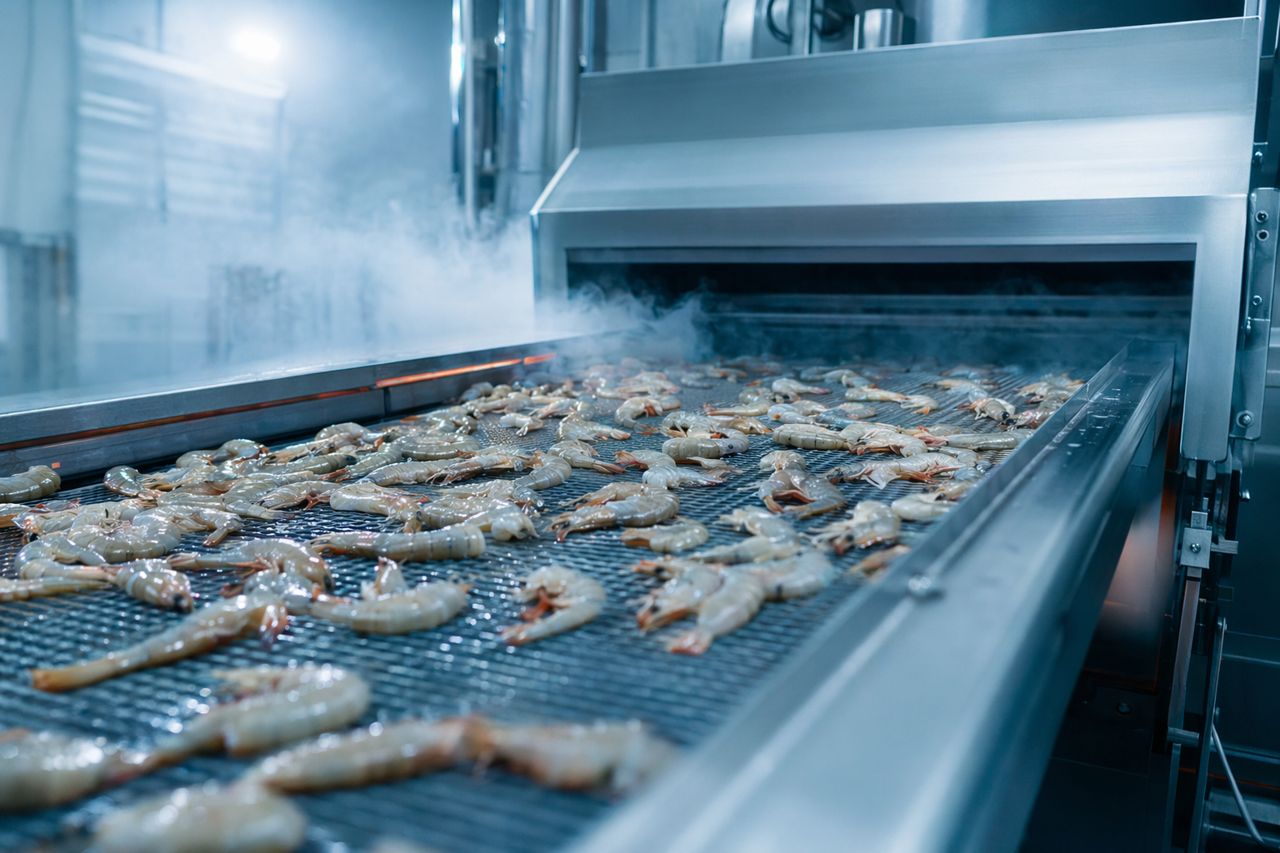
Cold-chain seafood processors rarely receive a uniform raw material stream. Harvest origin changes. Size distribution shifts by lot. Shell condition moves with season, handling history, and time from catch to plant. Customer specifications still stay fixed: clean peel, intact meat, tight weight control, bright appearance, and dependable pack-out.
For plant managers, the issue is not only peeling performance. It is operational stability across the full shift.
Enzymechain supports processors as an enzyme supplier for shrimp peeling and seafood processing with application-focused systems built for cold-room realities: variable raw shrimp, stainless equipment, brine contact, controlled temperature, and high-throughput packing schedules. Supply is wholesale and quoted per order, for plants and for the distributors who serve them.
Wholesale and bulk enzyme supply, quoted per order. For seafood processors, co-packers and the ingredient distributors who supply them. To get a quote, send the application (for example shrimp peeling, squid tenderising or by-product hydrolysis), the approximate quantity per month, your preferred pack size and the delivery country through the inquiry form.
Variability Enters Before the Line Starts
Raw shrimp variability shows up in ways operators can see within minutes:
- Shells release easily in one tote and resist in the next.
- Small counts over-peel while larger shrimp need more contact time.
- Soft meat becomes vulnerable to mechanical damage.
- Seasonal shell adhesion changes labor demand at the tables.
- Mixed origins create unpredictable peel loss and rework.
- Customer specs tighten while raw material becomes less predictable.
When the plant responds only with mechanical force, extra labor, or longer holding time, the cost appears downstream: broken pieces, yield drift, slower packing, uneven appearance, and more supervisor intervention.
The Consistency Gap Between Receiving and Finished Pack
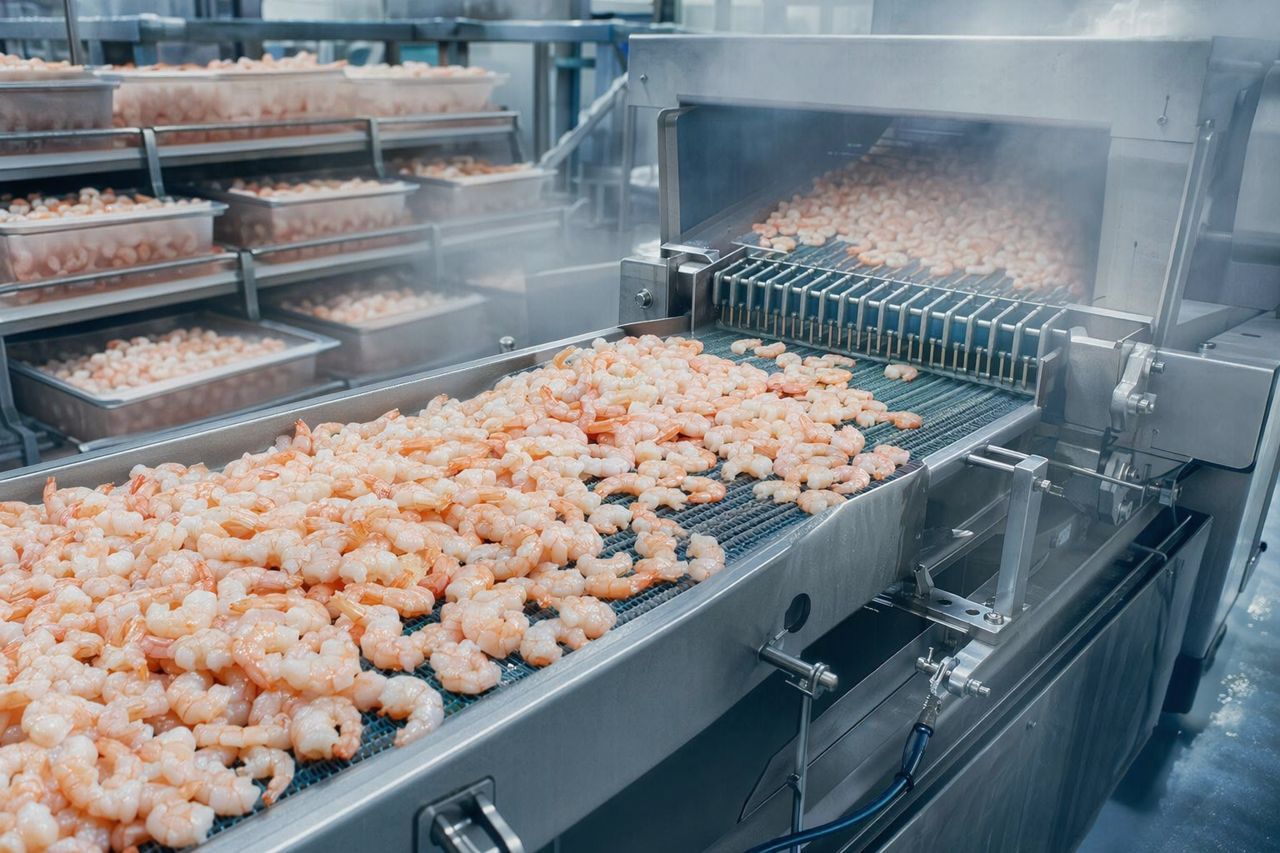
A processor may buy shrimp by origin, count, and grade, but the finished pack is judged by consistency. That gap is where value is either protected or lost.
A controlled enzyme-assisted peeling step can help reduce the dependence on brute-force separation. The goal is not to make every raw lot identical. The goal is to make the process more forgiving, so the plant can run changing lots with tighter control over finished results.
For operations teams, that means focusing on practical outcomes:
- More predictable shell release across origin and season changes.
- Reduced meat tearing from excessive mechanical action.
- Better use of skilled labor where inspection matters most.
- Lower rework pressure near packing.
- Improved line rhythm during mixed-lot production days.
- More stable yield performance from thawing through final pack.
What Plant Managers Should Control
Enzyme-assisted shrimp peeling works best when treated as a process control tool, not a one-off additive decision. The most reliable plants manage a narrow operating window around five areas.
1. Raw Lot Segmentation
Do not force unlike shrimp through the same assumptions. Separate lots by origin, size band, shell condition, and handling history where practical. The more clearly the plant understands incoming variability, the easier it is to set contact time, brine ratio, and inspection points.
2. Cold-Chain Discipline
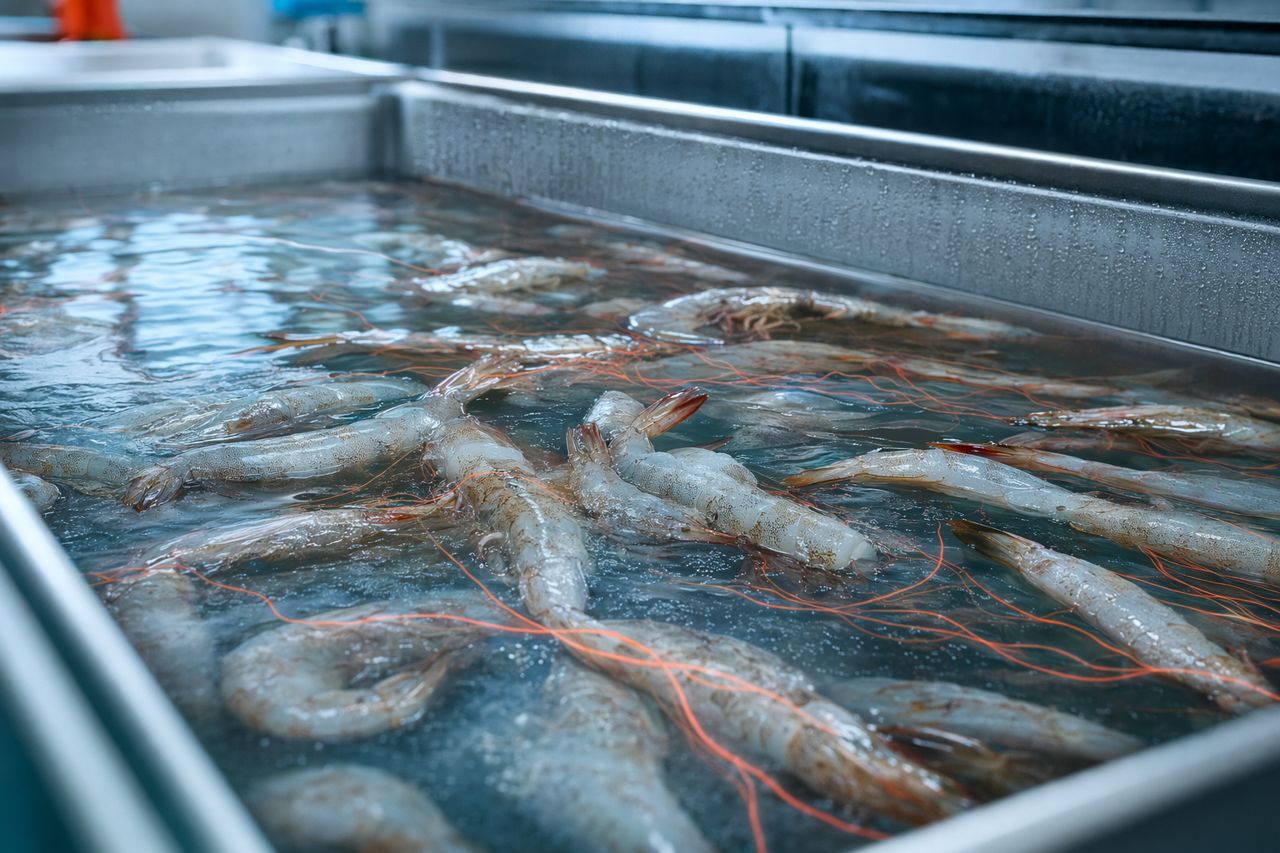
Temperature control protects texture, appearance, and throughput. Enzyme contact should support the cold process, not fight it. Consistent brine temperature, controlled dwell, and fast movement back into chilled handling reduce drift from the first tote to the last.
3. Contact Uniformity
Uneven exposure creates uneven peel. Agitation, load depth, brine turnover, and residence time must be balanced so the enzyme system reaches the shell interface consistently without overworking the meat.
4. Mechanical Pressure Reduction
The enzyme step should allow the plant to reduce aggressive peeling force where possible. Less mechanical stress can mean fewer broken pieces, less surface damage, and better finished appearance.
5. Downstream Feedback
Packing results should feed back into peeling settings. If the final pack shows excess fragments, peel defects, tail damage, or labor slowdowns, the plant should adjust process conditions before the next lot moves too far down the line.
The Business Case: Yield, Labor, and Schedule Control
Shrimp peeling is not only a technical step. It controls labor planning, freezer schedules, packaging flow, and customer service.
A well-matched enzyme solution can help processors protect margin by improving consistency in the areas that plant teams track every day:
- Throughput: Fewer slowdowns caused by hard-peeling lots.
- Yield: Less edible meat lost to shell adhesion and mechanical damage.
- Labor: Reduced manual correction and more predictable staffing at peel tables.
- Quality: Cleaner peel with lower visible damage.
- Downtime: Fewer interruptions for line adjustment and rework handling.
- Customer confidence: More consistent finished packs against specification.
The strongest gains often come from stability, not a single dramatic change. When the process becomes repeatable across variable raw material, supervisors spend less time rescuing the line and more time running it.
Matching Enzyme Strategy to Shrimp and Seafood Flow
Enzymechain works with processors who need enzyme systems matched to real production conditions: cold brine, short decision windows, mixed raw material, and strict finished-pack targets.
That includes shrimp peeling operations as well as broader seafood processing applications where controlled protein modification, cleaning of edible surfaces, texture protection, or process flow support may be required. The recommendation must fit the plant, not the other way around.
Key application questions include:
- What shrimp origins and sizes create the most peel variability?
- Where does yield loss show up: peeling, inspection, packing, or freezing?
- How much manual correction is required during difficult lots?
- What temperature range does the plant actually hold during production?
- How quickly must the line change from one specification to another?
- Which customer defects are most expensive to correct?
A Practical Path to Finished Pack Consistency
For processors dealing with changing harvest origins, seasons, sizes, and buyer specifications, consistency comes from controlling the transition from raw variability to finished pack performance.
The right enzyme-assisted approach helps the plant create a wider, more stable operating window. It gives supervisors another lever before they add labor, increase mechanical force, or slow the line.
If your operation needs cleaner peel, steadier yield, and more predictable seafood processing flow, Enzymechain can help evaluate the fit.
Request a Quote
Use the inquiry form to share your shrimp type, process temperature range, line layout, daily throughput, target finished-pack specification, approximate enzyme quantity per month and delivery country. Enzymechain will respond with a plant-floor focused recommendation and a quote for your application.