Bromelain for Controlled Shrimp and Seafood Processing
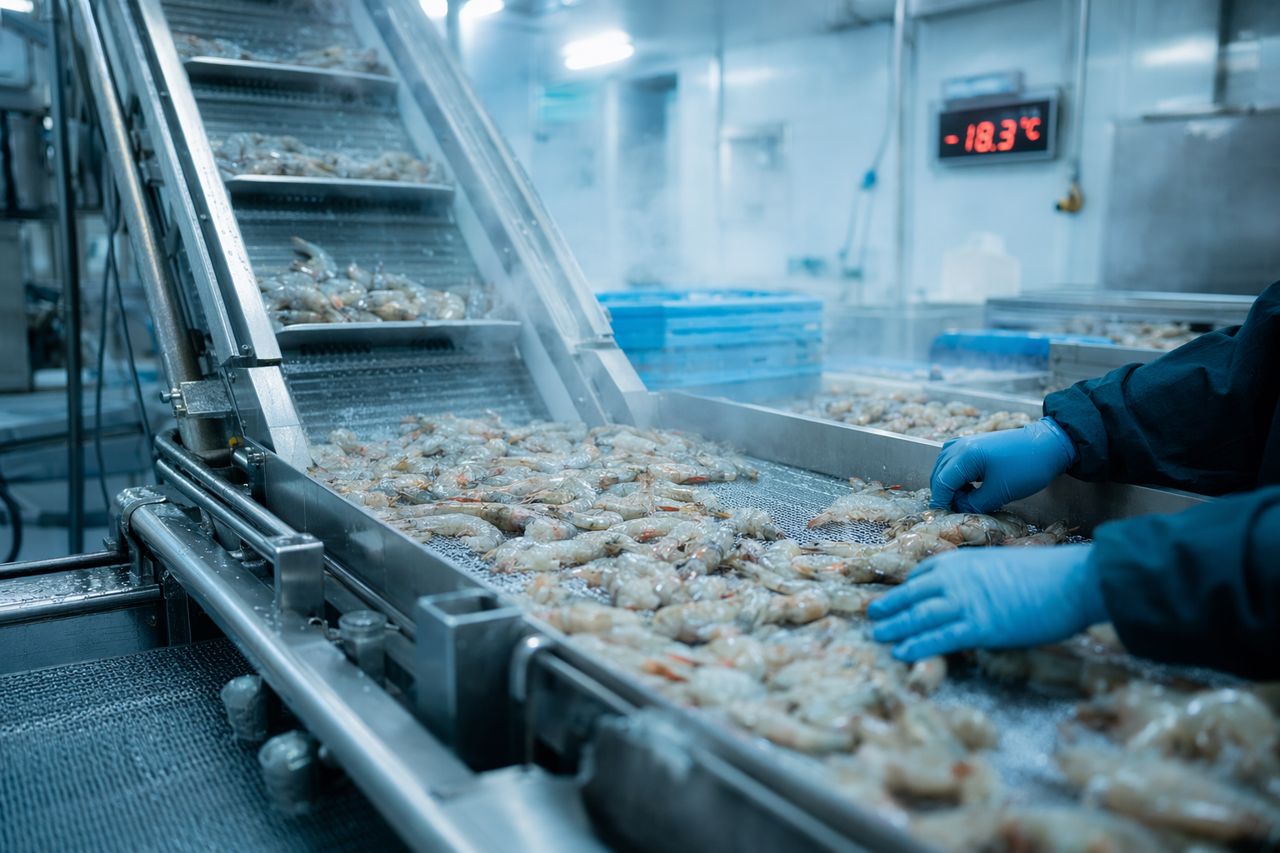
Enzymechain supplies bromelain for seafood plants that need tighter control over shrimp peeling, surface preparation, and downstream processing trials. For cold-chain processors, the goal is not novelty. It is cleaner shell release, less mechanical damage, steadier texture, and a process your supervisors can repeat shift after shift.
If your plant is evaluating an enzyme supplier for shrimp peeling and seafood processing, Enzymechain supports technical buying teams with application-focused supply, documentation, and practical process alignment for refrigerated seafood environments. Bromelain is supplied wholesale, by quote, to processing plants and to the ingredient distributors who serve them.
Wholesale and bulk enzyme supply, quoted per order. For seafood processors, co-packers and the ingredient distributors who supply them. To get a quote, send the application (for example shrimp peeling, squid tenderising or by-product hydrolysis), the approximate quantity per month, your preferred pack size and the delivery country through the inquiry form.
Where Bromelain Fits in the Plant
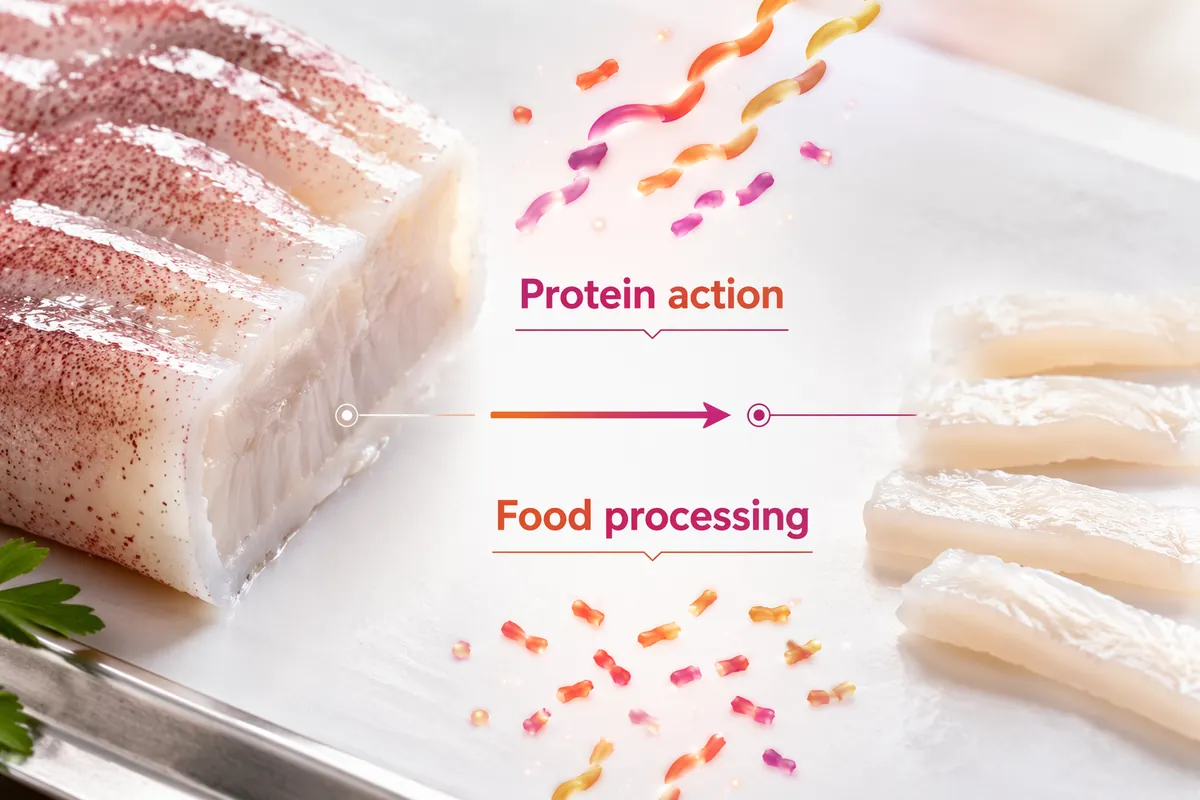
Bromelain is a proteolytic enzyme used in controlled processing experiments where protein interaction at the surface can influence separation, texture, and handling. In shrimp operations, it may be evaluated around shell-release support, peel-assist workflows, texture management, and pre-processing steps before grading, freezing, cooking, or value-added seafood production.
Enzymechain positions bromelain as a process tool, not a shortcut. The best outcomes come from disciplined trials that account for species, size distribution, raw material condition, brine temperature, residence time, agitation, and downstream handling.
Typical evaluation areas
- Shrimp peel-assist process trials
- Seafood surface-conditioning experiments
- Texture and bite-control studies
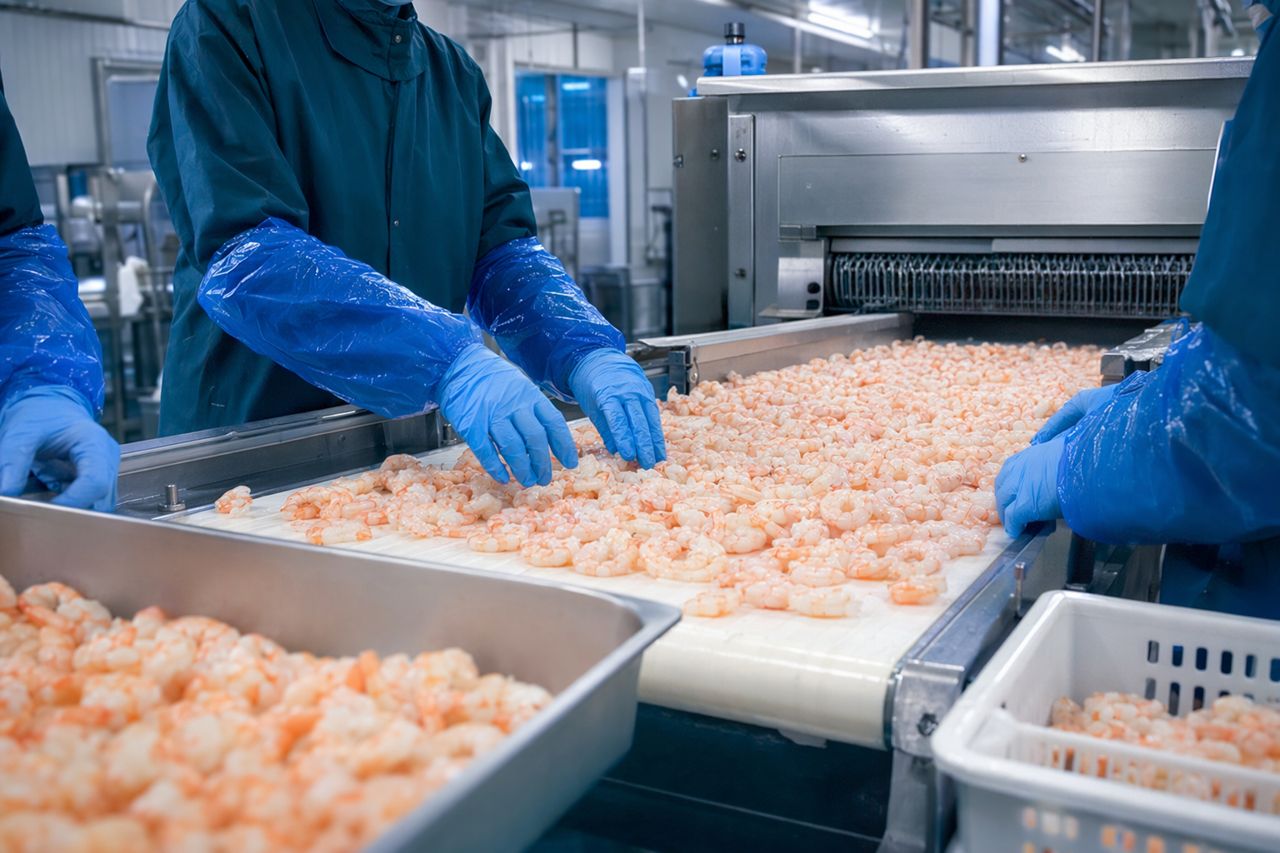
- Labor-reduction evaluations in peeling lines
- Reduced mechanical damage trials
- Cold brine or chilled process integration studies
- Yield consistency programs across variable raw material lots
Buyer Value for Cold-Chain Seafood Plants
Cleaner peel behavior
Bromelain can be evaluated where processors want to reduce harsh mechanical action and improve separation behavior under controlled conditions. For plant managers, that means focusing on peel quality, fewer torn pieces, and better presentation after handling.
More disciplined throughput
When peeling behavior is inconsistent, the line slows down. Operators adjust manually, rework increases, and downstream grading becomes less predictable. A structured bromelain trial helps determine whether enzyme-assisted conditioning can support smoother line flow without compromising cold-chain control.
Better texture control
Seafood buyers are sensitive to bite, appearance, and moisture retention. Bromelain must be used with process discipline because over-processing can affect texture. Enzymechain supports controlled evaluation plans built around your product specification, not generic assumptions.
Reduced labor pressure
Manual correction, re-peeling, and sorting consume labor. If bromelain improves separation behavior in your process, the business case may show up in reduced touchpoints, fewer rejected pieces, and more predictable staffing around peak intake.
Yield protection
The strongest enzyme program is one that protects saleable weight and finished-product grade. Enzymechain helps seafood processors evaluate bromelain with yield, defect rate, peel quality, and downstream performance as the central measures.
Process Variables That Matter
Bromelain performance depends on plant conditions. Enzymechain works with technical teams to align supply and trial planning around the variables that determine whether the process is repeatable.
Raw material condition
Species, harvest quality, shell hardness, freeze-thaw history, size range, and incoming temperature can all affect peeling response. Trial design should account for lot-to-lot variability.
Temperature control
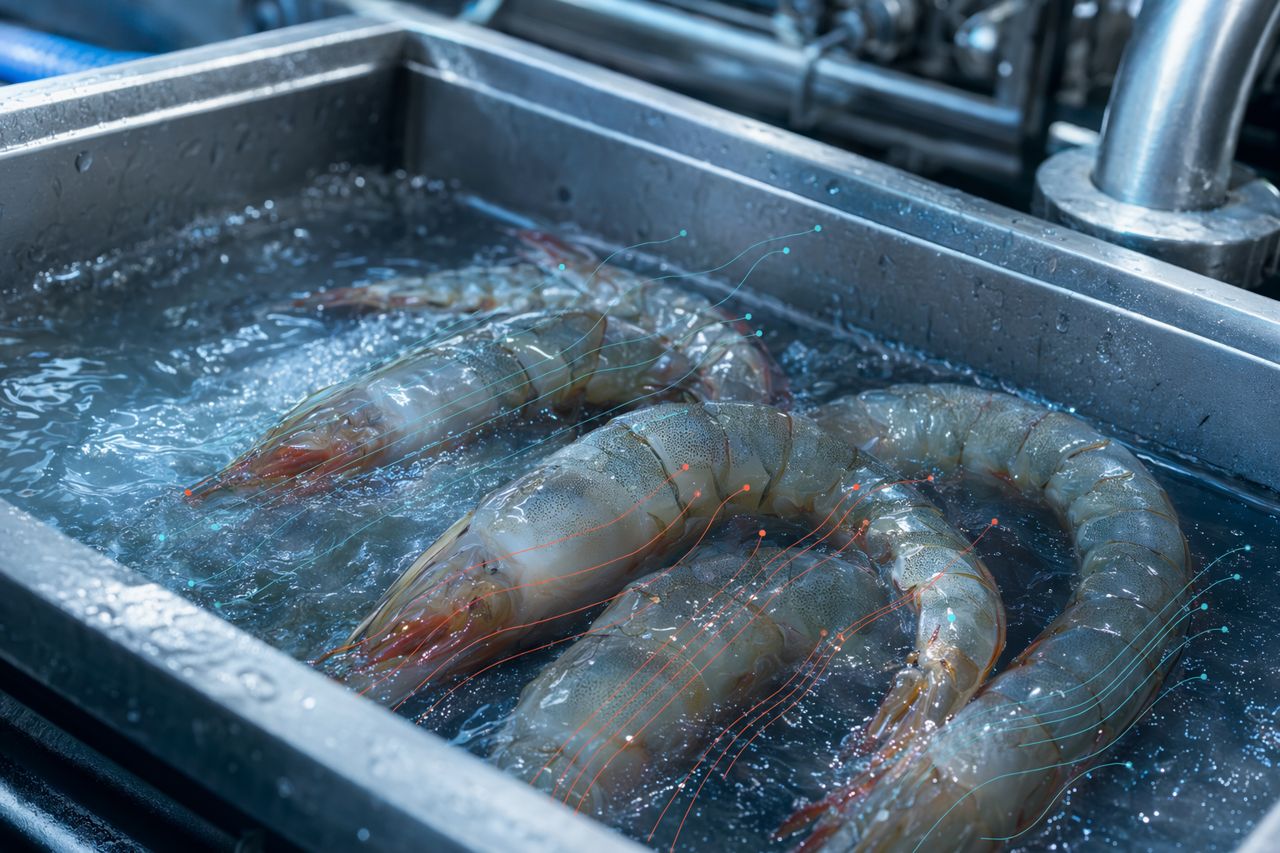
Cold-chain seafood plants operate under tight thermal constraints. Enzyme exposure must be evaluated within your chilled process window so quality, food safety systems, and line timing remain aligned.
Contact time and mixing
Residence time, brine movement, load density, and exposure uniformity influence results. Uneven contact can create inconsistent peel behavior, texture variation, and unnecessary rework.
Downstream impact
A peel-assist trial must be judged beyond the peeling step. Plants should review grading results, cook performance, appearance after freezing, purge, texture, and customer specification compliance.
Supply Built for Industrial Seafood Operations
Enzymechain supports B2B buyers who need more than a product name. Our role is to help procurement, QA, R&D, and production teams source bromelain with the documentation and commercial reliability expected in seafood processing.
What buyers can request
- Bromelain supply for pilot and production-scale evaluation
- Product documentation for technical and purchasing review
- Lot-to-lot supply planning for seasonal intake cycles
- Packaging formats aligned with plant handling practices
- Quote support for recurring industrial demand
- Application discussion focused on your process constraints
How to Run a Practical Bromelain Trial
A good trial should be simple enough for operators to execute and rigorous enough for management to trust.
1. Define the target
Clarify whether the goal is cleaner peeling, labor reduction, reduced breakage, improved yield, or texture control. One primary target makes trial results easier to interpret.
2. Protect the baseline
Capture current line speed, defect rate, rework, yield, product temperature, and labor requirements before introducing process changes.
3. Control exposure
Use defined brine conditions, consistent mixing, measured contact time, and clear stop points. Keep cold-chain limits visible to supervisors.
4. Measure downstream results
Do not stop at shell release. Review finished-product appearance, grade recovery, freeze performance, cook behavior, and customer-facing quality.
5. Scale only when repeatable
Move from bench or pilot work to plant trials only after the team sees consistent results across raw material lots and operator shifts.
Why Enzymechain
Enzymechain is built for seafood processors that want technical clarity, fast commercial response, and plant-floor relevance. We understand that enzyme decisions affect throughput, labor, downtime, sanitation scheduling, and finished-product value.
You bring the raw material, product targets, and operating constraints. We bring bromelain supply support and a practical conversation about how to evaluate it without disrupting the cold-chain discipline your plant depends on.
Request a Quote
Planning a bromelain trial for shrimp peeling or seafood processing? Send your target application, estimated quantity per month, packaging preference, delivery country, and timeline through the inquiry form. Pricing is quoted per order.